
When Loving You Is a Foreign Language!
Did you know it takes about six to nine months to learn one of the easiest languages if you practice thirty to sixty minutes a day?
And for the ones considered harder, it can take two to three years to become fluent.
So what happens when it’s not Spanish or French you’re trying to learn, but yourself?
What happens when self-love is the language you can’t quite pronounce right?
When affirmations feel awkward on your tongue, and grace feels like a word you’ve never spoken before?
The truth is, you can’t expect to master the language of love overnight.
You can’t expect years of brokenness, comparison, or neglect to disappear after one “I am enough.”
Self-love, like any language, must be practiced daily.
You have to immerse yourself in it.
Surround yourself with people who speak it fluently, those who remind you of your worth.
You have to stumble through your sentences, mispronounce your confidence, and keep trying anyway.
And over time, the same words that once felt foreign begin to sound familiar.
They begin to sound like home.
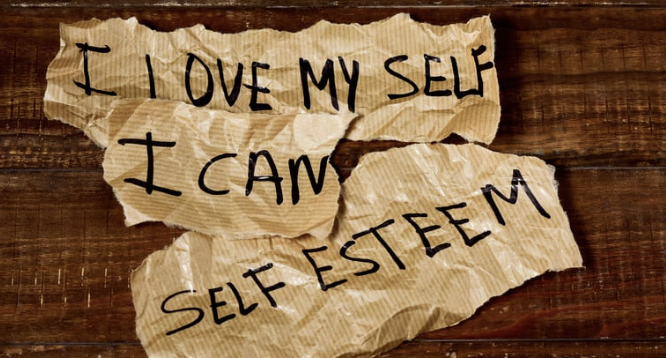
The Enemy Wants You with Low-Self-Esteem.
The enemy deliberately targets the self-esteem of women because it distorts their God-given identity and stifles their spiritual authority. Since Satan lost his power at the cross, he now seeks control by planting lies in your mind—using your past, wounds, abandonment, rejection, and even the voices of those closest to you.
He whispers, “You’re not good enough,” “You don’t deserve love,” and “God made a mistake with you.” These lies are not harmless thoughts; they are strategic attacks meant to separate you from truth.
From the beginning, the enemy’s first attack was against a woman—Eve. He didn’t use force; he used deception. He twisted God’s Word and shifted her focus to what she lacked. That same tactic is still alive today, leading many women to struggle with inadequacy, comparison, and broken identity. Since Satan has no power unless we agree with his lies, believing those falsehoods becomes a form of partnership with him.
The Spiritual Battle for Identity
Genesis 3:15 shows that the enemy declared war against the woman, knowing her seed would one day crush his head. A woman carried the Savior. That’s power and purpose the enemy fears.
Throughout scripture, Jesus constantly uplifted women—He honored the Samaritan woman (John 4), healed the woman with the issue of blood (Luke 8), and defended the woman caught in adultery (John 8). He affirmed what society tried to erase.
The enemy knows identity shapes destiny. If he can convince you that you are worthless, you won’t step into your purpose. Low self-esteem becomes spiritual bondage that silences your voice, suffocates your boldness, and steals your authority in Christ.
Luke 10:19 reminds us of our power to trample serpents, yet how can we walk in that truth if we feel defeated?
The Psychological Connection
Self-esteem is the lens through which we see ourselves. It affects confidence, relationships, and resilience. When that lens is cracked by trauma, criticism, or neglect, our perception of worth becomes distorted.
Dr. Crystal Frazier explains that low self-esteem often stems from feeling unprepared for life, struggling to assert needs, and believing one is unworthy of love or happiness. Without a foundation of self-worth, people fall into cycles of self-sabotage and pain.
Research shows that two people can face the same situation but experience it differently depending on their sense of self-worth. These aren’t just emotional struggles—they’re spiritual battles.
The Bible calls them flaming arrows (Ephesians 6:16). The devil, known as the accuser (Revelation 12:10), sends these arrows as lies disguised as thoughts, hoping you’ll mistake them for truth.
The Cultural Influence
Culture reinforces what the enemy whispers. Media, music, and societal norms tell women their worth lies in beauty, youth, and validation. Social media amplifies these lies, creating constant comparison and insecurity.
Even religious environments sometimes misrepresent women’s worth, teaching silence instead of strength. The enemy uses these systems to keep women distracted, insecure, and unaware of their divine identity.
Here’s how it happens:
Spiritual Lie: You’re not worthy.
Psychological Impact: Negative self-talk and toxic core beliefs form.
Cultural Reinforcement: Society confirms the lie through repetition.
Breaking the Cycle
To break this cycle, we must fight on every level.
Spiritually: Renew your mind with Scripture.
Psychologically: Heal through therapy, mentorship, and coaching.
Culturally: Build positive environments and guard your eyes and ears.
Your words carry life or death (Proverbs 18:21). Speak truth over yourself daily. If needed, seek deliverance from oppressive spirits—rejection, shame, self-hatred, control, or fear—and ask God to help you see yourself as He does.
When Self-Love Feels Like a Foreign Language
Learning to love yourself after years of pain feels like learning a new language. You can’t expect to become fluent overnight.
Just like learning Spanish or French, it takes time, patience, and repetition to learn the language of love. You have to immerse yourself in it, surround yourself with people who speak it fluently, and practice daily until the words “I am enough” no longer sound foreign.
Over time, what once felt unnatural begins to sound familiar. It begins to sound like home.
The Power of Knowing Who You Are
When women fail to embrace their God-given identity, dreams go unfulfilled, relationships suffer, mental health declines, and faith turns into fear.
But when a woman knows who she is in Christ, she becomes unstoppable. She is clothed in strength (Proverbs 31:25), more than a conqueror (Romans 8:37), and fearfully and wonderfully made (Psalm 139:14).
Low self-esteem is a tactic of the enemy, but truth and healing expose his lies.
You are God’s masterpiece (Ephesians 2:10). The lies don’t define you—His love does.
You are worthy.
You are chosen.
You were never a mistake.
Walk boldly, Queen.
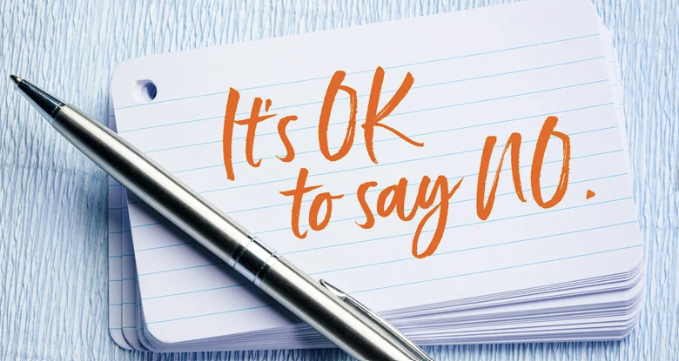
The Consequences of Saying NO!
I am a retired people-pleaser. When I finally decided to start saying no, it was liberating—but it wasn’t easy. Anyone who has ever struggled with people-pleasing knows that saying no can feel like rejection, failure, or even disobedience.
People often say, “No is a complete sentence,” but for people-pleasers, it never feels that simple.
People-pleasing isn’t a personality trait—it’s a symptom. It grows from deeper roots: perfectionism, low self-worth, fear of conflict, childhood conditioning, the need for control, and even trauma. Each one teaches you that love must be earned and peace must be maintained at your own expense.
Spiritually, people-pleasing is also a form of idolatry. When you prioritize others’ opinions above God’s truth, you begin living for them instead of Him.
Galatians 1:10 says, “Am I now trying to win the approval of human beings, or of God? Or am I trying to please people? If I were still trying to please people, I would not be a servant of Christ.” That scripture changed me.
When I examined my own habits, I realized people-pleasing never truly benefited me. It kept me at the mercy of others’ opinions, moods, and validation. It made me likable, but not real. I wasn’t being Anissa—I was being who I thought others wanted me to be. I remember feeling jealous of people who could confidently say no because deep down I wanted that same courage.
Eventually, I made a decision: I no longer wanted to be people-pleasing; I wanted to be God-pleasing.
When you stop living for approval and start walking in truth, everything around you shifts. People get uncomfortable. Relationships change. Some leave. And suddenly, you have to face who you are without the mask.
There are consequences to saying no—not because you’re wrong, but because you’re finally being real.
You will lose people, but you will find peace.
You may feel lonely, but you will finally feel free.
Most importantly, you will find alignment with God.
There was a time I said yes to everything—commitments, favors, even ministries—and I began asking, “Is this obedience or obligation?” The more I said yes to everything, the more resentful and burned out I became. That exhaustion was actually my awakening.
When I stopped doing what drained me, I felt lost. My worth had been tied to what I did for others, not who I was. When I stopped performing, I thought I stopped mattering.
Some people did walk away. Because when you stop being useful to those who only valued your service, their loyalty fades.
The first time you set a boundary, people may react with anger, guilt, or confusion. That’s because they were never in relationship with the real you—only with the version who never said no.
You will lose some people, but what you lose in people, you gain in peace. Saying no exposes what was never rooted in love, only in control or convenience. It reveals relationships that survived only because you overextended yourself.
The beauty is that it also makes room for genuine connections—ones built on mutual respect, honesty, and unconditional love.
Your no is not rebellion. It is restoration.
It is choosing your sanity over someone else’s comfort.
It is choosing obedience to God over approval from man.
Healing begins the moment you stop betraying yourself to keep others comfortable.
Once I stopped internalizing people’s silence or withdrawal as proof of my unworthiness, it felt freeing to finally speak honestly and show up as my true self.
People may get angry when you choose yourself—especially if you’ve spent your life choosing them. But that’s not your burden to carry.
Your healing will offend those who benefited from your brokenness.
Your boundaries will frustrate those who loved your lack of them.
But your obedience to God will always be worth more than your popularity with people.
If you’re stepping into a season of boldness, boundaries, and becoming the woman God intended you to be—stand firm. The cost of your no might be someone’s silence, but the reward of your obedience is peace.

God Wants You to Love Yourself
For many people, the idea of self-love sounds strange — maybe even selfish.
But the truth is, self-love is biblical.
The Bible says, “God is love” (1 John 4:8), and you were made in His image.
When you love yourself in a healthy, godly way, you are not being prideful — you are honoring His creation. You are agreeing with Heaven and declaring,
“I am fearfully and wonderfully made.” — Psalm 139:14
It doesn’t say “I tolerate myself” or “I hide who I am.”
It says, I praise You, because knowing your worth is an act of worship.
Why Self-Love Matters to God
The enemy fights hardest against your identity. He wants you to have low self-esteem because if you don’t know your worth, you won’t walk in your purpose.
Low self-worth makes you settle for less, shrink back, and believe lies that God never spoke over you.
But Jesus came so that you may have life, and life more abundantly (John 10:10).
When you love yourself through God’s truth, you silence the lies of the enemy and step boldly into your divine assignment.
Jesus Modeled Self-Love
Even Jesus demonstrated what healthy self-love looks like.
He was confident, grounded, and secure — not in pride, but in His Father’s affirmation.
He knew who He was.
When the Father said, “This is My beloved Son, in whom I am well pleased” (Matthew 3:17), Jesus didn’t doubt it.He set boundaries.
He withdrew from crowds to rest and pray (Luke 5:16).He honored His body.
He ate, slept, and rested even in the storm (Mark 4:38).He received love without shame.
When the woman anointed His feet with oil (Luke 7:36–50), He accepted honor because He knew His worth.He didn’t people-please.
He never argued with those who doubted Him. He stayed focused on His mission.
Jesus didn’t love Himself apart from God — He loved Himself because of God.
And He invites us to do the same.
The Enemy’s Agenda
The enemy wants you to reject yourself — because when you reject yourself, you start questioning your Creator.
Low self-esteem disconnects you from purpose, fuels doubt, and breeds shame.
But Ephesians 2:10 reminds us:
“You are His workmanship — His masterpiece.”
You are not a mistake.
You are not forgotten.
You are divinely designed.
Self-Love Is Obedience
Loving yourself is not rebellion — it’s obedience.
Every time you:
Renew your mind with the Word,
Speak life over yourself,
Forgive yourself,
Honor your body and your boundaries,
...you are agreeing with Heaven.
A woman who knows who she is in Christ is dangerous to darkness.
Low self-esteem is not God’s will — it’s a deception that keeps you from walking in your power.
Practical Steps to Love Yourself God’s Way
Renew your mind daily with the Word.
Let truth replace every lie.Speak life over yourself.
Declare, “I am loved. I am chosen. I am enough.”Forgive yourself.
Release shame and guilt — there is no condemnation in Christ Jesus (Romans 8:1).Honor your body, boundaries, and voice.
You are not too much. You are not too broken. You are becoming.
To Every Daughter Reading This
You are God’s beloved.
You are not your past.
You are not your pain.
You are not what people said about you.
You are who God says you are — and He calls you chosen, loved, and redeemed.
You are so valuable that God stepped down from His throne and died for you.
God is not waiting for you to be perfect before you love yourself.
Start where you are, because He already sees you as His masterpiece.
Rejecting self-love is rejecting the fullness of His love.
Lift your head, and wake up from the lie — it’s not reality, it’s spiritual deception.
Loving yourself is simply coming into agreement with Heaven.
A Prayer for You
Father, I lift up every woman reading this right now.
Break every spirit of self-rejection, shame, guilt, and low self-worth.
Let her begin to see herself the way You see her — beautiful, chosen, and enough.
Replace every lie of the enemy with Your truth.
Remind her daily that she is fearfully and wonderfully made.
In Jesus’ name, Amen.
Final Reminder
Loving yourself isn’t pride — it’s partnership with God’s truth.
When you see yourself through His eyes, you’ll start walking like the daughter of the King you truly are.
Until next time — stay encouraged, stay confident, and stay in alignment with God’s love.
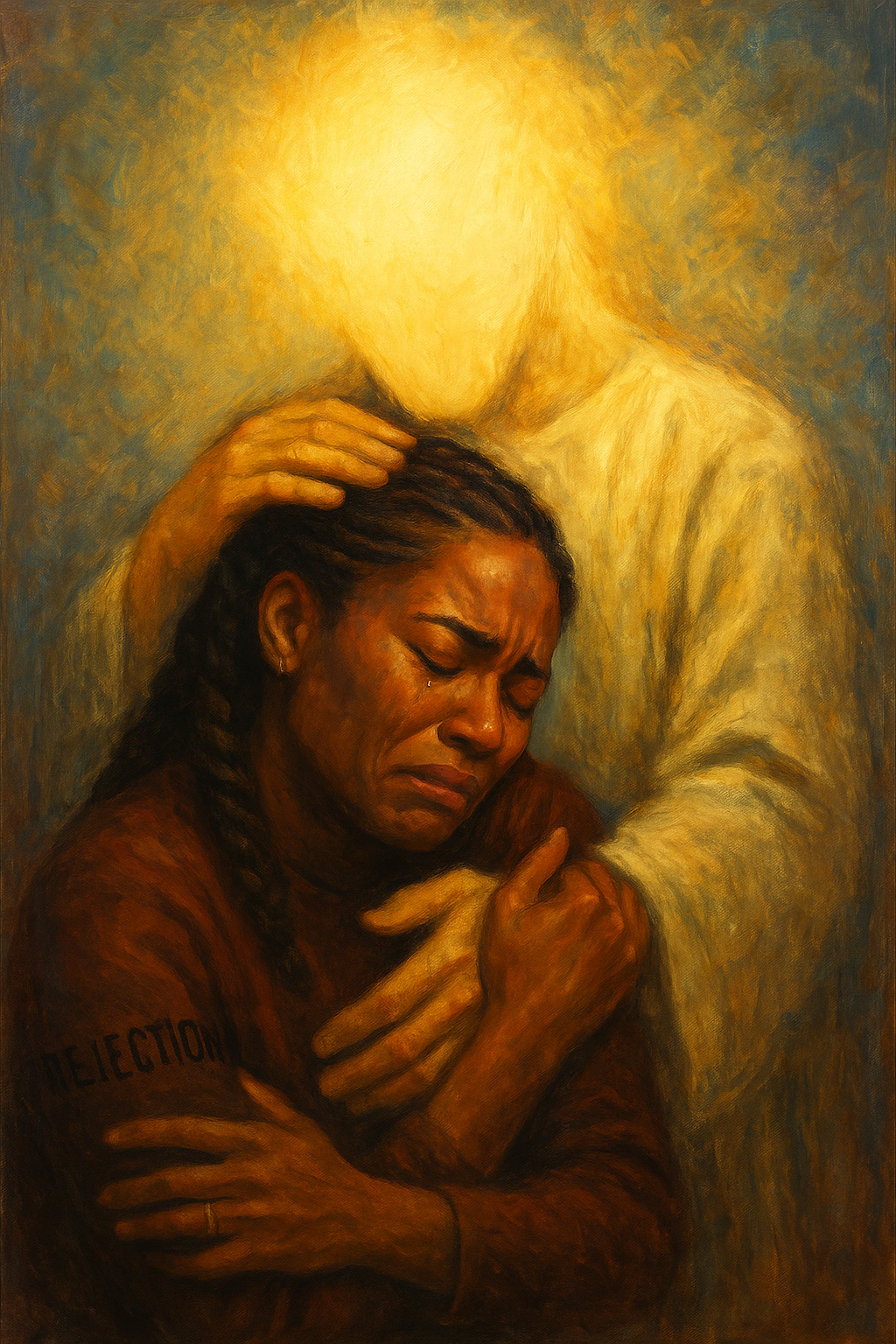
He Was Rejected. I Was Rejected.
Rejection hurts. Whether it’s from people you loved, circles you trusted, or opportunities you hoped for, rejection leaves a mark. But rejection isn’t the end of your story—it’s often the beginning of purpose.
Even Jesus Christ, our Savior, was rejected. So if rejection found Him, why are we surprised when it finds us?
Jesus Was Rejected First
Isaiah 53:3 says, “He was despised and rejected of men; a man of sorrows, and acquainted with grief.”
John 1:11 says, “He came unto His own, and His own received Him not.”
Jesus—perfect, powerful, and full of love—was still rejected. Not because He lacked anything, but because His identity disrupted the expectations of those around Him. He didn’t fit into their box, so they pushed Him away.
But rejection didn’t stop Him; it positioned Him. It placed Him exactly where God intended—for redemption, not approval.
Rejection in the Bible
Jesus wasn’t the only one. Throughout Scripture, God used rejection to refine and prepare His chosen ones.
Joseph was rejected by his brothers and left in a pit, yet rose to rule over Egypt.
David was overlooked by his own father but still anointed king.
Moses was doubted by his people but chosen to lead them into freedom.
Jeremiah was warned not to fear rejection even as a prophet called by God.
Paul was rejected by religious leaders but went on to write most of the New Testament.
Every one of these people experienced rejection before elevation. What others walked away from, God used to shape their destiny.
Rejection Is Not Your End
Rejection doesn’t define you—God does.
It builds character. It redirects your path. It protects you from what was never meant for you. And most importantly, it prepares you for purpose.
Sometimes rejection is the door God shuts so you’ll stop settling for less than what He called you to. What feels like a loss may actually be His protection.
Your Story Matters
If you’ve ever wondered, “Why me?” or felt constantly overlooked, you’re not alone. Rejection doesn’t mean you’re worthless—it means you’re being refined.
When people walk away, God steps in. When doors close, He’s redirecting your steps. When your name isn’t chosen, it’s because He’s saving it for something greater.
I’ve lived that truth. I’ve felt the sting of rejection and the loneliness that follows. But I’ve also seen how God can take those moments and turn them into something powerful—something purposeful.
You’re Still Chosen
He was rejected. You were rejected. But you’re still chosen.
Don’t let rejection make you bitter—let it make you better. Don’t let it silence your voice—let it amplify your purpose.
The next time you face rejection, remember: it’s not God’s punishment—it’s His redirection. The very thing that hurt you may be the thing that leads you into healing.
Rejection is not the end of you. It’s the beginning of purpose.